

Evolution of the Miraculous Medal Design
MMN|
Editorial Team
Since its first striking in June 1832, the Miraculous Medal has undergone remarkable evolution while maintaining essential fidelity to St. Catherine Labouré’s original vision. This article traces the medal’s historical development, examining how changing manufacturing techniques, artistic sensibilities, and cultural contexts have produced diverse interpretations of the same sacred design. Understanding this evolution enriches our appreciation for the medal as both devotional object and work of religious art.
The Original Design (1830-1850)
The first Miraculous Medals, struck in Paris under Archbishop de Quélen’s authorization in 1832, were relatively simple in execution. Early examples typically measured 20-25mm in diameter and were made from basic metals—copper, brass, or bronze—often silver-plated for durability and aesthetic appeal. The original medals featured relatively crude engraving by modern standards. Mary’s figure was stylized rather than naturalistic, with simplified facial features and drapery folds. The rays emanating from her hands were straight lines rather than the more nuanced beams seen in later versions. The reverse side’s M, cross, and hearts were clearly rendered but lacked fine detail.
Despite these technical limitations, early medals possessed profound spiritual power. Their simplicity reflected both manufacturing constraints and devotional authenticity—these weren’t luxury items but accessible sacramentals meant for widespread distribution among ordinary believers, many of them poor. Within the first decade (1832-1842), approximately 10 million medals were distributed, primarily in France and neighboring European countries. The cholera epidemic of 1832 accelerated distribution as people sought spiritual protection, and numerous conversion testimonies (most famously Alphonse Ratisbonne in 1842) enhanced the medal’s reputation.
Industrial Era Refinements (1850-1900)
As the Industrial Revolution advanced, metalworking techniques improved dramatically, enabling more refined medal production. Better steel dies allowed finer detail in Mary’s facial features, more naturalistic drapery, and more delicate ray patterns. The inscription became clearer and more legible. Reverse-side symbols gained precision—the M’s serifs, the cross’s proportions, and the hearts’ details all improved. While base metals remained common for mass distribution, precious metal versions emerged for special occasions. Gold and silver medals appeared, often given as First Communion or Confirmation gifts by affluent families. These luxury versions maintained the same design but demonstrated that the medal transcended class boundaries—it was simultaneously accessible to the poor (through inexpensive versions) and worthy of honor by the wealthy (through precious metal editions).
Standard sizes stabilized around 16mm, 20mm, and 25mm diameters, though larger commemorative versions (30-40mm) appeared for special purposes. Smaller versions (12-14mm) became popular for children or those preferring subtlety. As the medal spread globally, regional artistic traditions influenced its rendering. French medals maintained classical refinement, Italian versions showed Renaissance influence in Mary’s portrayal, Spanish examples incorporated baroque dramaticism, and German productions emphasized precision and clarity. These variations enriched the medal’s visual vocabulary while maintaining recognizable unity.
Modernist Influences (1900-1950)
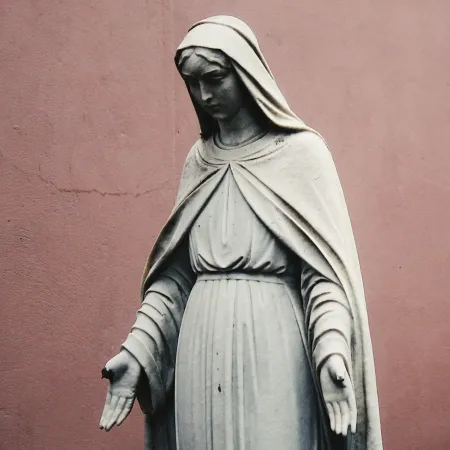
The early 20th century brought modernist artistic movements that subtly influenced religious art, including medal design. Some manufacturers adopted cleaner, more streamlined designs reflecting Art Deco and modernist preferences. Mary’s features became more geometric, drapery folds more stylized, and overall compositions more balanced according to modern aesthetic principles. New alloys and plating techniques enhanced durability and appearance. Nickel-silver, aluminum-bronze, and other modern materials offered alternatives to traditional metals. Electroplating allowed thinner, more uniform precious metal coatings over base metal cores.
Advances in stamping and die-cutting enabled truly mass production, reducing costs and increasing availability. By mid-century, hundreds of millions of medals had been distributed worldwide, making it arguably the most widely circulated religious object in history. The medal’s spread through missionary activity introduced it to Africa, Asia, and Oceania. Local artisans sometimes incorporated indigenous artistic elements, creating hybrid forms that respected both traditional design and local aesthetic sensibilities. These inculturated versions demonstrated the medal’s adaptability across cultural boundaries.
Contemporary Diversity (1950-Present)
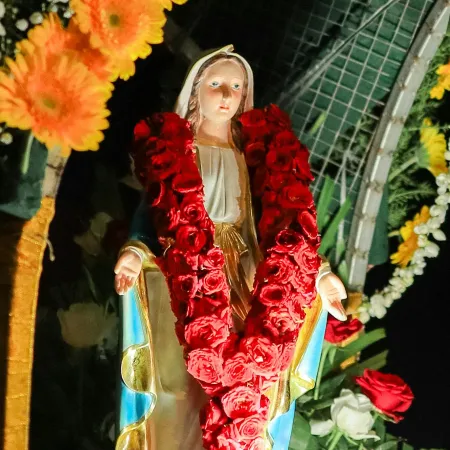
The post-Vatican II era has witnessed unprecedented diversity in Miraculous Medal production. Contemporary medal designers have experimented with various styles including traditional approaches maintaining 19th-century aesthetics with modern manufacturing precision, modernist simplified and abstract interpretations emphasizing essential forms, cultural adaptations incorporating ethnic artistic traditions from African, Asian, and Latin American styles, and minimalist ultra-simple designs focusing on core symbolic elements.
Modern materials science has expanded possibilities significantly. Titanium offers lightweight, hypoallergenic, and durable options. Stainless steel provides affordable, corrosion-resistant alternatives. High-purity gold, silver, and platinum serve the luxury market. Composite materials combine metals with enamel, resin, or gemstones. Eco-friendly options use recycled metals and sustainable production methods. Contemporary production offers extensive size options ranging from micro (8-10mm) for subtle wear, children, or incorporation into jewelry, to small (12-16mm) popular for everyday wear, medium (18-22mm) as traditional standard size, large (25-30mm) for visibility, elderly users, or display, and extra-large (35mm+) for altars, processions, or decorative purposes.
Market segmentation has created distinct quality levels. Devotional grade offers inexpensive, mass-produced medals for wide distribution. Gift grade provides mid-range quality suitable for sacramental gifts. Heirloom grade features high-quality craftsmanship for family传承. Collector grade includes limited editions, precious metals, and exceptional artistry. Liturgical grade produces large, ornate versions for church use.
Digital Age and Customization
Recent technological developments enable new possibilities. Computer-aided design allows precise control over every detail, and 3D printing enables rapid prototyping and custom designs. While most medals remain traditionally stamped, digital tools enhance design precision and enable customization. Some manufacturers offer personalized medals—adding names, dates, or special inscriptions while maintaining core Miraculous Medal design. This customization enhances emotional connection while preserving theological integrity.
E-commerce has democratized access, allowing buyers worldwide to choose from vast selections. Online platforms enable comparison shopping, customer reviews, and direct manufacturer relationships, transforming medal acquisition from local shop purchase to global marketplace navigation.
Preserving Authenticity Amid Diversity
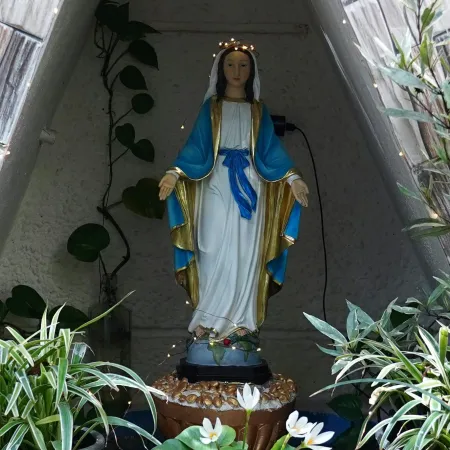
This historical evolution raises important questions: How much variation is acceptable while maintaining the medal’s identity? What constitutes authentic Miraculous Medal versus mere imitation? Most theologians and Church authorities agree that certain elements are essential: the front must show Mary standing on globe with rays from hands and the inscription “O Mary, conceived without sin, pray for us who have recourse to thee”; the reverse requires M surmounted by cross with two hearts below; and the overall shape should be oval or circular.
Acceptable variations include artistic style (realistic vs. stylized), size and proportion, material and finish, minor decorative additions such as border patterns or textured backgrounds, and cultural adaptations respecting local aesthetics. However, concerning modifications include omitting essential symbols or inscriptions, altering theological meaning (e.g., removing Immaculate Conception reference), distorting proportions beyond recognition, and adding inappropriate secular elements. The MMN Network helps maintain authenticity by documenting legitimate variations and educating consumers about distinguishing authentic Miraculous Medals from questionable imitations.
Conclusion: Living Tradition
The Miraculous Medal’s historical evolution demonstrates Catholicism’s capacity for both continuity and adaptation. The essential design revealed to St. Catherine Labouré remains recognizable after nearly two centuries, yet artistic expression has diversified enormously, reflecting different cultures, eras, and aesthetic sensibilities. This evolution isn’t deviation from tradition but living tradition’s natural development—maintaining core identity while expressing it through diverse forms. Each historical period has contributed something valuable: early simplicity’s devotional authenticity, industrial era’s refined craftsmanship, modernist clarity, contemporary diversity, and digital age’s accessibility.
For collectors, historians, and devotees, understanding this evolution enriches appreciation for individual medals. Each piece represents not just personal devotion but broader historical currents—technological advances, artistic movements, cultural exchanges, and spiritual renewals. The Miraculous Medal is thus both timeless truth and time-bound artifact, eternal message and historical document, universal symbol and particular expression. As we continue into the 21st century, the medal will undoubtedly continue evolving, adapting to new materials, technologies, and cultural contexts. Yet its essence—Mary’s maternal mediation, abundant grace, and invitation to prayer—will remain constant, ensuring that this small object continues its great mission of distributing graces to all who have recourse to the Immaculate Virgin.
Explore more perspectives on religious art and the Miraculous Medal tradition in our Works Collection or learn about authentic sourcing in our Supply Guide.